
The True Master Sees the Invisible
The legendary Vasyl Ivanchuk, at 56 years old, didn’t just win the tournament with an impressive 8 out of 9 score. He reminded us that true chess is played in the moves that are not always seen — in the subtle details that only a deeply trained mind can detect.
Facing young talents like Indian GM M. Pranesh, Ivanchuk wasn’t just moving pieces. He was moving invisible ideas: hidden threats, positional sacrifices, slow maneuvers that didn’t shine immediately, but quietly built up to an inevitable victory.
His triumph is a reminder that in chess, as in life, what is not immediately seen often matters the most.
What are invisible moves?
An invisible move is one that, at first glance, seems harmless or insignificant— but in reality plants the seeds of imbalance, advantage, or a deeper strategy. And invisible moves aren’t just about what happens on the board: the real invisible moves happen long before the tournament begins— in the countless hours of training, in the study of tough positions while others rest, in the small habits of discipline no one applauds.
Every brilliant game hides thousands of invisible decisions that made it possible.
A must-read for your chess arsenal:
If you want to train your mind to see what others miss, I highly recommend: Invisible Chess Moves
Authors: Emmanuel Neiman and Yochanan Afek.
A true gem packed with practical examples, hidden combinations, and exercises to sharpen your strategic vision. Perfect for any player ready to stop seeing only "the obvious" and start thinking like a true master.
The future is also built with invisible moves: Faustino Oro
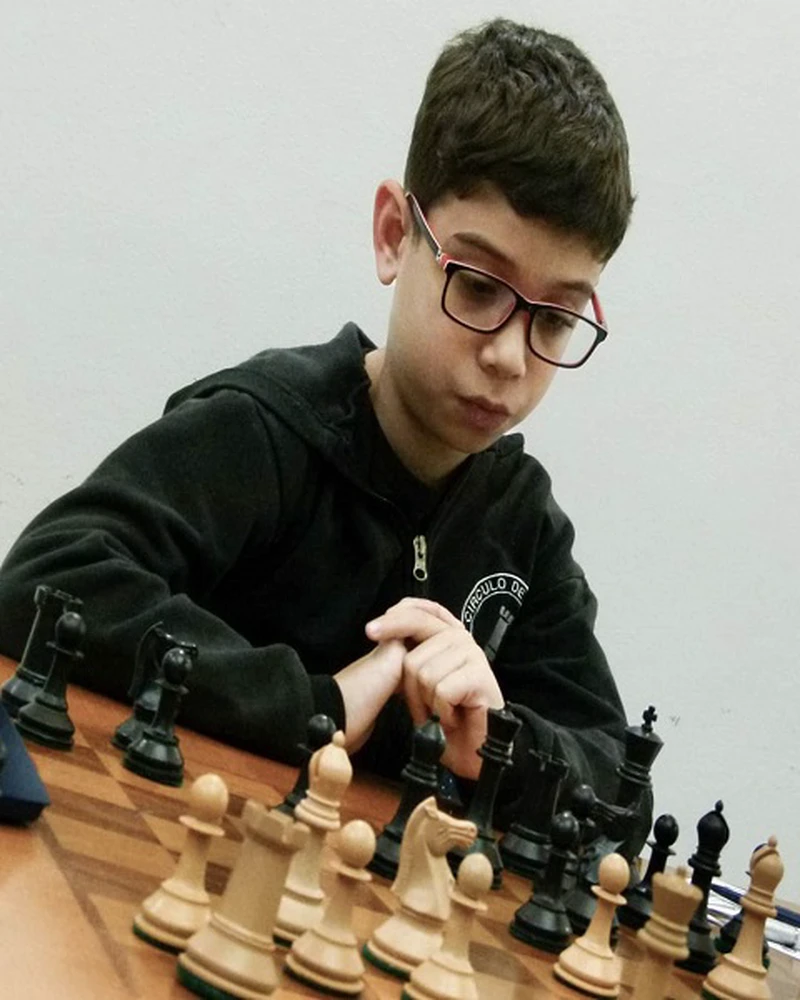
While Ivanchuk continues to showcase the power of experience, the young Argentine prodigy Faustino Oro, just 10 years old, competed in the same Menorca Open, facing Grandmasters and International Masters. Faustino is currently in the middle of a series of top-level tournaments in Europe, chasing his first Grandmaster norm, which would be a historic milestone at his age. His talent shines, but like every great player, his real progress is being built through countless invisible moves: daily training, deep analysis, and personal sacrifices.
Whether young or seasoned, the champion’s path is always forged through silent battles.
Two questions for you
What is the most important "invisible move" you’ve made in your chess career — or in your life?
Can you recall a game where a subtle move changed everything?
Share your story in the comments!
Chess, like life, is decided in what is not always visible.
You may also like
 WFM Chess4always
El verdadero maestro ve lo invisible
Este fin de semana en el IV Open de Menorca, el tablero fue testigo de algo que trasciende los resul… WFM Chess4always
Del Tablero a las Páginas
Hola preciosa comunidad! Buenos días, buenas tardes o buenas noches con alegría! Hace tres semanas q… WFM Chess4always