
Can You Really Gain 100 Chess Rating Points in 30 Days Without Studying?
What happens when you take on a chess challenge designed by a Grandmaster, skip the studying, and dive straight into the games? That's exactly what I set out to discover in October, inspired by GM Noel Studer’s 30-day challenge.When I first came across this 30-day chess challenge, I honestly couldn’t resist trying it. The idea sounded too fun: no studying, no prep, just pure, raw chess. You play 6 Blitz and 2 Rapid games every single day for 30 days, analyze your own mistakes, and see how much you can improve without any formal training.
I actually found out about it thanks to my friend Mr. Maja, who dropped the link to GM Noël Studer’s post in my Twitch chat one night, the “I won 200 rating points with a simple challenge” article on Lichess (NoelStuder's Blog • I won 200 rating points with a simple challenge • lichess.org). After chatting about it for a while with my boyfriend, Knight (https://www.twitch.tv/knightbfree), I decided, “Okay, let’s do this.” So, on October 28th, 2024, I jumped in.
Before that, though, I was totally a Bullet addict. I told Knight how nervous I was about switching to longer games and he encouraged me to push through the discomfort.. For months, all I had been playing was Bullet, and it felt strange to imagine having time to think. Blitz and Rapid were like super strange time controls to me. So this wasn’t just about chess, it was a challenge to break my own habits.
To make it even harder, I’ve never really liked games with increments. The formats were 3+2 for Blitz and 15+0 for Rapid. And honestly, I was scared of losing my Blitz peak rating (which at that time was 1913). I was really proud of that number, and I had avoided rated games for months to keep it ehehehehe
But thirty days, hundreds of games, and a bunch of emotional ups and downs later, I did it. I gained 100 Blitz rating points!
The Challenges I Faced
One of the biggest challenges I faced during this 30-day journey was breaking free from my Bullet habits. For the past couple of months, Bullet chess had been my go-to. I was so accustomed to the fast-paced, no-time-to-think style that it became second nature to me. When I played Blitz and Rapid, I found myself continuing this habit.. making moves quickly, without properly calculating or thinking them through. This was a huge hurdle, especially since the time controls for the challenge were slower than what I was used to.
I had to consciously slow myself down and shift my mindset from making fast moves to thinking more carefully and strategically. But breaking this cycle wasn’t easy. The temptation to rush was always there, and I often caught myself making moves without fully considering the consequences. I was so focused on the speed that I wasn't giving myself the chance to truly evaluate the positions. This is not only led to blunders but also made it much harder to improve my chess in the way I wanted to.
Another significant challenge was the self-analysis part of the challenge. While GM Noel Studer’s challenge didn’t require studying chess, it did recommended to analyzing your games after playing them. This was supposed to be a key learning tool, but I quickly realized that I didn’t really know how to analyze my own games effectively. Sure, I could skim through my mistakes using an engine, but truly understanding why I made those mistakes or how I could have played better was a struggle.
It was frustrating at times because I felt like I wasn’t extracting the full value out of the analysis process. I had to figure out ways to make sense of my games, often relying on trial and error. Slowly but surely, I started noticing patterns in my play, things I could improve, even if it wasn’t perfect. But the lack of proper self-analysis skills made the challenge even more daunting and was definitely an area where I struggled throughout the journey.
The Process
The first week of the challenge flew by in a blur of excitement and curiosity. Every day, I streamed my games live, 6 Blitz games and 2 Rapid before joining the Fami-lee daily racer. At first, the routine felt refreshing and even exhilarating, like I was embarking on a chess adventure. But as Week 2 rolled in, I began to feel the weight of maintaining this consistency. It wasn’t as easy as I thought, and I started to realize just how much I needed to adapt my mindset to make it through.
There were moments I felt genuinely proud of. Some games stood out, where I managed to create memorable positions or execute strategies that felt like true progress. Those games gave me a sense of happiness and accomplishment far greater than just gaining rating points. I didn’t feel as satisfied when I gained points through unremarkable games. what truly brought me joy was playing well and creating games worth remembering. On the flip side, there were also games that frustrated me to no end, but I decided early on that I’d analyze both the good and bad games in my own blog. Patterns started to emerge, and I began to notice recurring strategies and plans that I’d missed in the past.
By the third week, I realized that my middlegame understanding was holding me back. I kept losing positions that were otherwise equal simply because I didn’t know what to do next. This was especially true for certain openings. I began to understand that I needed to study the general plans behind the openings I was playing. To improve, I started recording my Blitz games and reviewing them later, which helped me catch key tactics I missed during the games themselves. These adjustments became a vital part of my process and allowed me to learn from my mistakes more effectively.
But I won’t sugarcoat it. There were days I felt like giving up. In fact, I ended up taking six individual breaks throughout the challenge because I felt demotivated, especially with my Rapid games. While I was satisfied with my Blitz performance, I wasn’t happy at all with how I played in Rapid. Despite this, the challenge helped me build some discipline and develop a habit of consistent analysis. Over time, analyzing my games became less of a chore and more of a natural part of my routine.
Looking back, the journey was a mix of highs and lows, but every moment taught me something new about my approach to chess and the importance of persistence. Even when things didn’t go as planned, I felt like I was growing as a player, and that made the process worthwhile.
Results/Progress
At the start of the challenge, my Blitz rating was 1913, with a peak of 1913, and my Rapid rating was 2020, with a peak of 2078. By the end of the 30 days,I had climbed to 2018 in Blitz with a new peak of 2024. My Rapid rating also saw a meaningful boost, finishing at 2031 with a peak of 2083. These milestones felt like clear rewards for sticking with the challenge, and I’m especially proud of the moments when I surpassed mental blocks along the way.
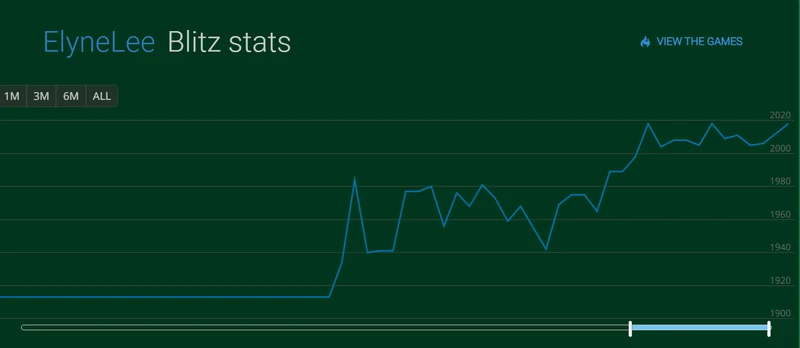
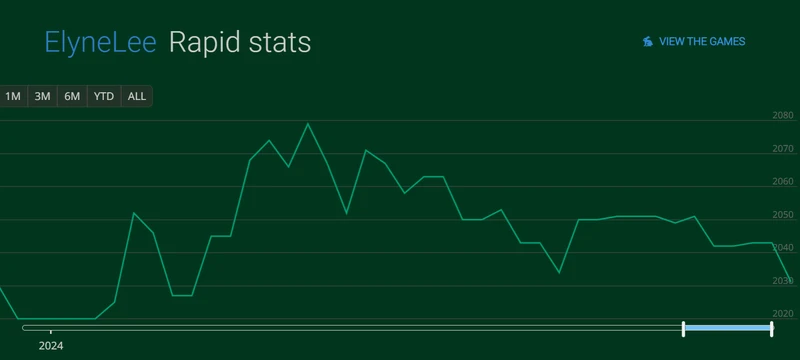
One particularly memorable milestone was reaching my new Blitz peak at my 5th Blitz game on Day 21. It was an intense and exciting game that tested my patience and calculation skills (check out the game here). Similarly, I hit my new Rapid peak during my very first Rapid game on Day 9 (view it here). Breaking the 2000 Blitz barrier for the first time was both exhilarating and terrifying—I was scared of slipping back under 2000 because it was my main goal for the challenge. But after a few days of maintaining that rating, I felt more comfortable and started focusing on playing for improvement rather than obsessing over numbers.
The challenge wasn’t just about gaining points though. It was about breaking old habits and embracing new ones. One noticeable improvement was in how I approached calculation and time management. Coming from a Bullet-heavy mindset, I had a tendency to play fast, often skipping proper calculations. Over time, I learned to slow down, think more carefully and manage my time better during games. This change didn’t happen overnight, but by the end of the challenge I could see clear progress in how I planned my moves and handled critical moments in games.
There were also surprises along the way. At the start of the challenge, I told my viewers that I’d feel satisfied if I hit 2000 in Blitz. But once I reached that goal, I realized I wanted more. Now, I’m aiming for 2100 in both Blitz and Rapid, and maybe even in Bullet, though I’ve promised myself not to return to my old Bullet habits until I achieve at least 2100 in Blitz and Rapid. This new goal excites me and keeps me motivated to push further.
Another unexpected takeaway was how much I grew in confidence. Months ago, I avoided playing Blitz altogether because I was scared of losing my 1900 rating. Now, I feel much more comfortable and even look forward to the challenge of climbing higher. I’ve also gotten better at not rushing during games, which has helped me play more thoughtful and consistent chess.
This challenge was one of the most rewarding experiences in my chess journey so far. Gaining 100 Blitz rating points felt amazing, but the real victory was stepping out of my comfort zone and proving to myself that I could grow, adapt, and improve in ways I hadn’t imagined.
Reflection & Key Takeaways
This challenge taught me so much more than just gaining rating points. It truly changed how I view chess and my approach to improvement. Before the challenge, I was so fixated on ratings that I was afraid to play, scared of dropping below my milestones. But through this process, I’ve learned to find joy in simply playing and improving without obsessing over numbers. Of course, I’m thrilled about achieving a new peak, but the real reward was breaking free from my fear of losing and rediscovering the fun of the game.
Looking back, I can’t help but wonder: what would’ve happened if I had prepared more seriously before starting this challenge? Would my progress have been even better if I avoided Bullet completely? While I’m proud of the results, these questions motivate me to approach my next 30-day challenge with more focused study and preparation. I’m excited to see what I can achieve when I combine consistent play with structured learning.
Key Lessons Learned
This challenge left me with some powerful takeaways that apply not just to chess but to life as well:
- The Value of Slowing Down
Coming from a Bullet-heavy mindset, I often moved too fast without proper calculation. Slowing down and thinking carefully before acting made a huge difference in my gameplay and it’s a lesson that carries over to other areas of life. - Consistency Pays Off
Even though I took breaks and had moments of demotivation, sticking to the challenge overall brought noticeable improvement. Small, consistent efforts truly do add up over time. - Studying is Key
While it’s amazing to gain 100 Blitz rating points without formal study, I’ve realized how much I missed out by not preparing seriously in the past months. Moving forward, I want to prioritize studying openings, plans, and tactics to maximize my potential.
I couldn’t have done this challenge alone, and I want to express my heartfelt gratitude to everyone who supported me along the way. A big thank you to GM Noel Studer for creating this challenge and to Mr. Maja for introducing me to it. I’m especially grateful to my love, Knight, for always being my biggest supporter throughout the journey and for always believing in me, even when I doubted myself. To the Fami-lee, who always showed up to hang out, watch the streams, and help me discuss the games, thank you for making this journey so much more enjoyable and meaningful.
well....
If you’ve ever felt stuck in your chess journey or wanted to try something new, I highly recommend taking on a challenge like this. It’s not just about the rating points you gain; it’s about the lessons, growth, and joy you find along the way. Give it a try. You might just surprise yourself!
Twitch : https://www.twitch.tv/elynelee
Blog : https://elynelee.blogspot.com/
You may also like
 CM HGabor
How titled players lie to you
This post is a word of warning for the average club player. As the chess world is becoming increasin… ChessMonitor_Stats
Where do Grandmasters play Chess? - Lichess vs. Chess.com
This is the first large-scale analysis of Grandmaster activity across Chess.com and Lichess from 200… thibault